Minna, 11 November, 2020 - While combatting multiple public health challenges, including the COVID-19 pandemic, the Government of Nigeria, with support of the World Health Organization (WHO) and other partners relaunch an accelerated series of mass preventive vaccination campaigns to protect Nigerians against vaccine preventable diseases. In Niger State, over 2.3 million children were recently vaccinated against measles and meningitis. The Niger state campaign, which began on 17 October, 2020, is one of the many campaigns delayed due to the COVID-19 pandemic.
Technical Contact:
Dr Anne Eudes Jean Baptiste; Email: jeana [at] who.int (jeana[at]who[dot]int); Tel: 234 813 173 6281
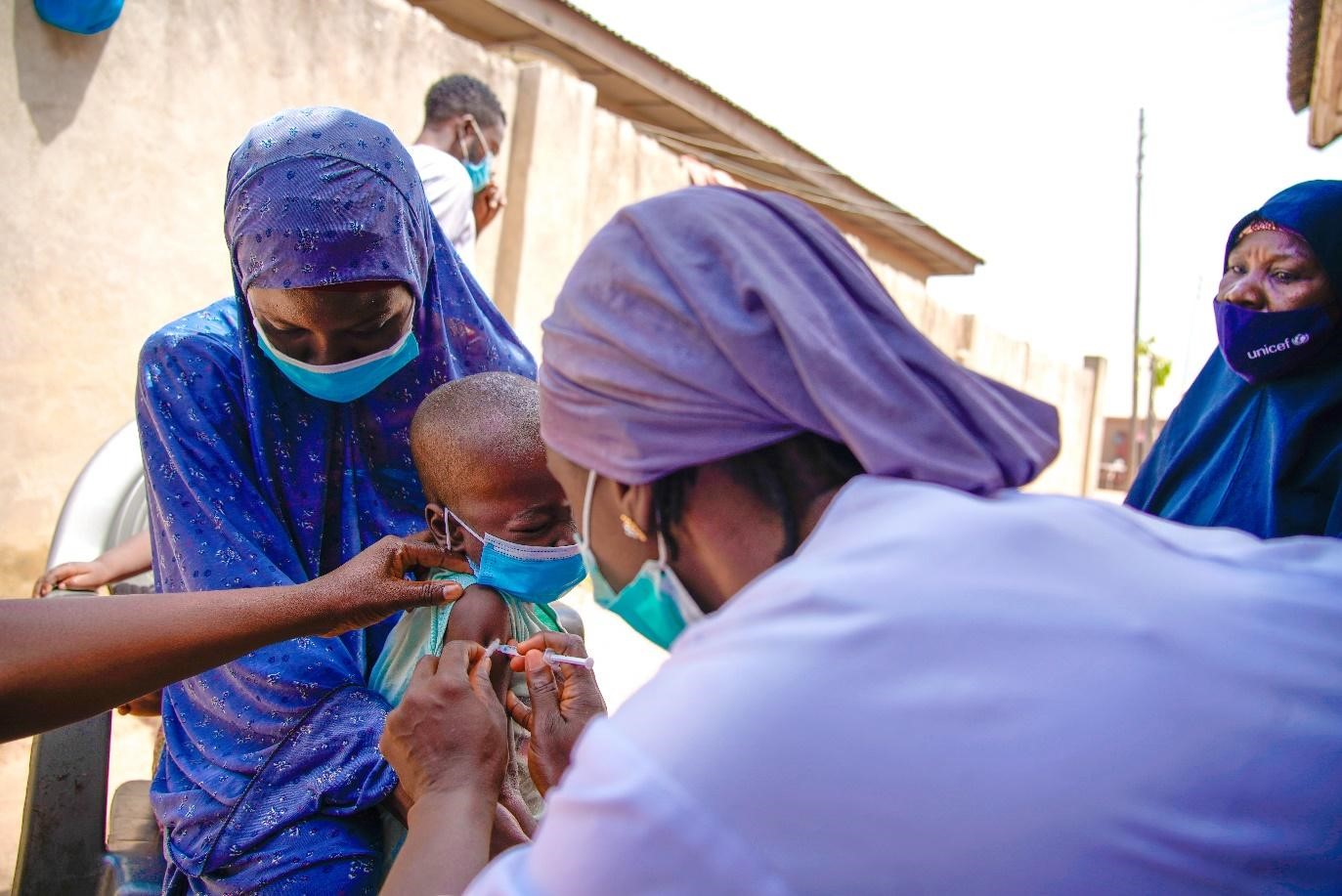
Her going to the market was a blessing because it made it easier for her children to receive the vaccination and she went on selling the yams she brought to the market unhindered, Memunna said.
"I allowed my children to collect the vaccine because I was told it will protect the children from diseases if they are not yet five years old.”
Memunna is one of the many parents taking advantage of Niger state’s mass vaccination campaign to protect their children. Despite the availability of vaccines, measles and cerebrospinal meningitis (CSM) are some of the leading childhood killers in Nigeria. Meningitis, for example, is a seasonal disease that occurs yearly in Nigeria from November through May, and Niger State is one of the high-risk states.
To protect children in the state against measles and meningitis, Niger state government implemented the supplementary immunization campaign along with partners including the World Health Organization (WHO). The campaigns are taking place at religious centres, schools, markets, health centres, villages and other locations across the state where mothers can be easily reached. The Niger state campaign, which began on 17 October, 2020, is one of the many campaigns delayed due to the COVID-19 pandemic. The campaign was scheduled earlier in 2020, but national and state lockdowns meant it had to be suspended. Following the approval by the Government of Nigeria for the commencement of mass campaigns, Niger state was one of the first states to resume mass vaccination activities.
The vaccination campaign against meningitis and measles is being implemented according to WHO guidelines for the implementation of mass campaigns in the context of the COVID-19 pandemic. Vaccinators are strictly making use of personal protective equipment (PPE) and infection prevention control strategies.
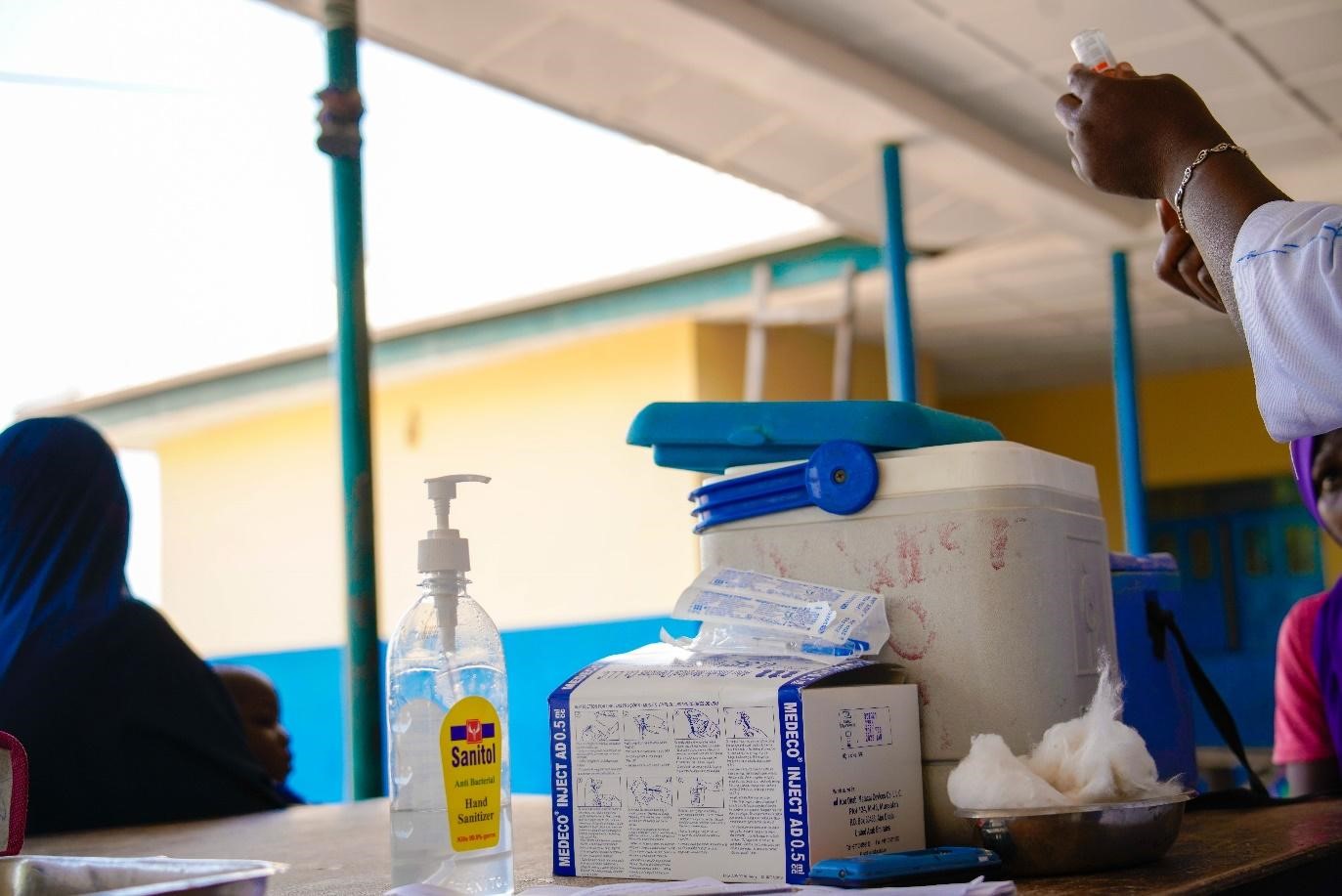

There have been challenges, however. Mrs Sharik said it is difficult to get parents to take precautions against COVID-19, but her team manages to enforce the rules because they understand it is for the safety of everyone.
"We ensure that those who come around for vaccination wash their hands and the turnout has been impressive. Many parents allowed their children and wards to receive the vaccines because they understand the importance and they have also been complying with the new COVID-19 guidelines,” she said.
From Mrs Sharik's daily implementation plan for the 10th day, her measles vaccination target was 186 and as at midday when she was interviewed, she had vaccinated 220 children at various schools. Mrs Sharik said the team still had some schools in the area to visit that day.
Mrs Sharik said the communities’ warm response to the campaign was likely because of a measles outbreak in the state earlier in the year. Because of the heightened awareness of the protective potential of vaccines, many parents are willing to comply with the new precautions to safeguard their children against measles and meningitis. Mrs Sharik’s team also recorded huge successes thanks to assistance from Abubakar Bala, the Dusten Kura Gwari village head who led the teams to schools in the settlement.
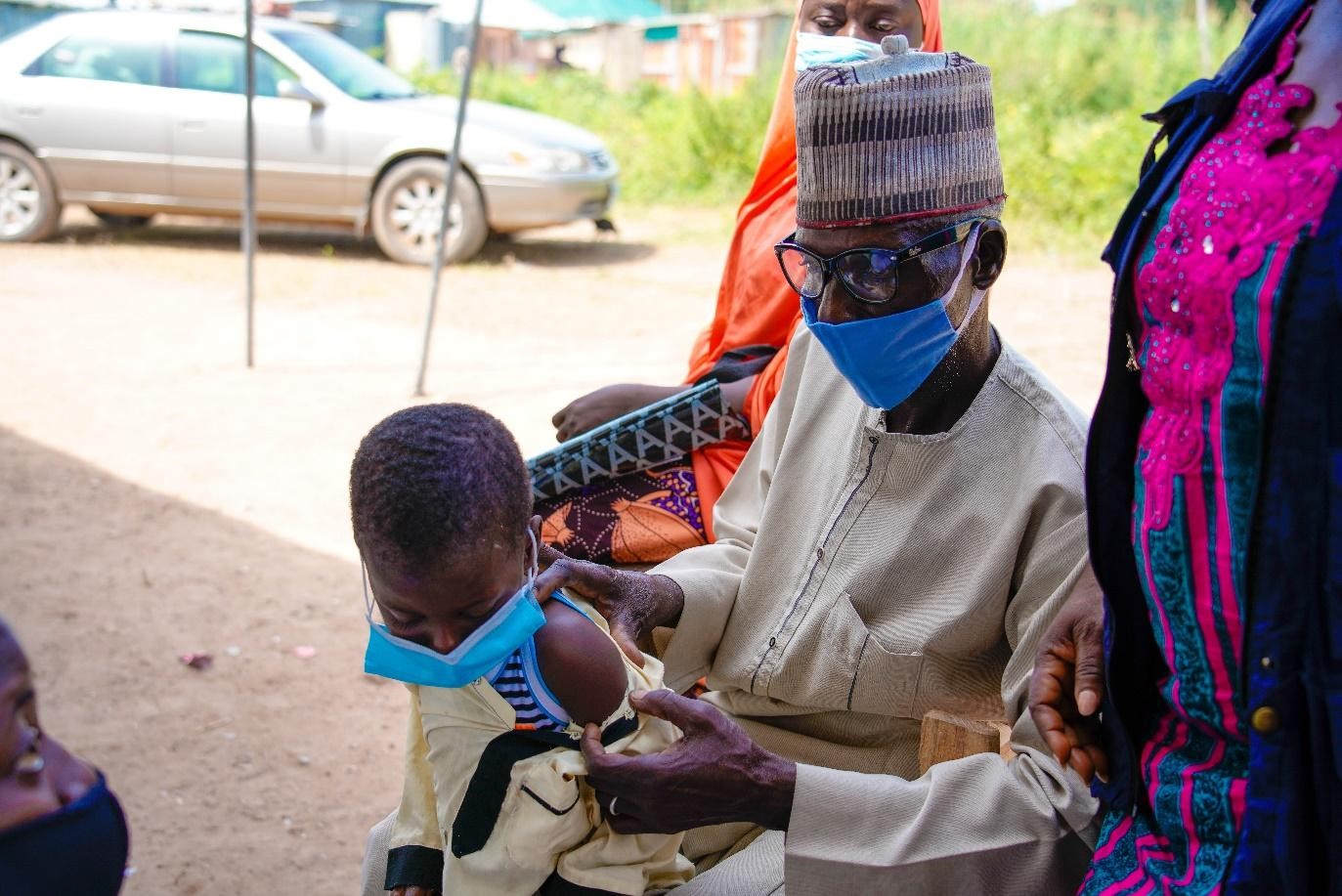
Mass vaccination avoids ‘double-vaccination’
At Berol International School, Maikunkele, Bosso Local government area, the headteacher, Louis Roseline said she allowed the vaccinators in the school because she understands the importance of the campaign in sustaining the health of the children. Mrs Roseline said about 70 children were vaccinated at her school. She explained that some children had been previously vaccinated at their churches or homes and did not receive a double dose.
"The vaccine is necessary because of the season we are entering, and the weather is getting hot so we need to vaccinate our children against any form of an epidemic,” Ms Roseline said. “There is better coordination with the immunization activities, and this has reduced double vaccination for many children who usually get vaccinated twice due to lack of record-keeping. Now we can keep track of children to give at school because we get consent from the parents,” she said.
While appreciating the government's effort to safeguard the lives of the children, Ms Roseline called on parents who are still reluctant to allow their children to receive the vaccination to reconsider their stands.
Combating outbreaks through vaccination
The Executive Director of the Niger state Primary Healthcare Development Agency (NSPHCDA), Dr Ibrahim Ahmed Dangana, said the measles and meningitis A immunization campaign will continue across the 25 Local Government Areas and all the political wards in the state to protect the children against the childhood killer diseases.
Dr Dangana said the exercise is important because earlier in the year, Niger state had witnessed sporadic outbreaks of measles in some local government areas during the COVID-19 lockdown. He expressed appreciation for the efforts of partners like WHO that are supporting the state in implementing mass vaccinations while taking COVID-19 precautions.
“We have received enthusiastic reports from the field as the turnout has been impressive from the data we have gathered so far. We have conducted advocacy and publicity campaigns before the beginning of the exercise through traditional, religious and community leaders across the state. The turnout has so been impressive that we have had to collect additional doses of both measles and meningitis vaccines from the zonal cold store”, Dr Dangana said.
Buttressing the importance of the campaign, the WHO Country Representative to Nigeria, Dr Walter Kazadi Mulombo said the country is eager for the COVID-19 pandemic to be contained so regular immunization activities can resume.
“As immunization campaigns resume, WHO teams at both regional and country offices have developed guidance for countries and frontline workers to ensure their safety and that of the children and their families,” Dr Mulombo said. “If we stop immunization for too long, vaccine-preventable diseases will have a detrimental effect on children’s health in Nigeria,” he added.
Communications Officer
WHO Nigeria
Email: hammanyerok [at] who.int (hammanyerok[at]who[dot]int)